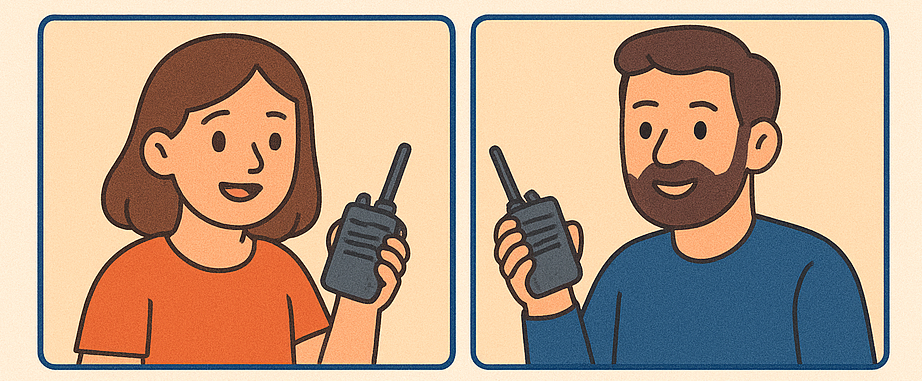
In an age where we take instant communication for granted, a sudden disruption—whether from severe weather, power outages, or network failures—can leave families scrambling to connect. The solution doesn't require expensive equipment or complex training. Instead, it starts with a simple monthly practice that takes less time than preparing dinner.
## Why Monthly Drills Matter
Emergency preparedness often feels overwhelming, with lengthy checklists and scenarios that seem unlikely until they happen. But staying connected during a crisis begins with building simple, sustainable habits. A monthly communication drill transforms abstract emergency plans into practical muscle memory, helping families develop confidence and clarity before they need it most.
This approach recognizes a fundamental truth: the best emergency plan is one that's regularly tested and refined. By dedicating just 5-10 minutes each month to practice, families create reliable communication routines that become second nature when stress levels rise and normal channels fail.
## The Eight-Step Communication Drill
# Step 1: Test Multiple Communication Methods
Modern families often rely on a single communication channel—usually cell phones. But emergencies frequently knock out primary systems while leaving alternatives functional. During each monthly drill, families (or friends) should test at least two different methods from their communication toolkit: text messages, voice calls, two-way radios (GMRS/FRS/ham), email or messaging apps, and out-of-state contact check-ins.
This diversified approach reveals surprising insights. Text messages often work when voice networks are overwhelmed. Two-way radios function without any infrastructure. Email might reach someone when nothing else can. By rotating through different combinations each month, families discover which methods prove most reliable under various conditions.
# Step 2: Establish Location Awareness
During real emergencies, knowing where family members are located becomes critical for both safety and reunion planning. Each person should practice reporting their current location, whether they can safely remain there, and how long they could shelter in place if necessary.
This exercise builds situational awareness that extends beyond emergencies. Children learn to pay attention to their surroundings. Adults consider workplace evacuation procedures. Everyone develops the habit of thinking through shelter options before they're needed.
# Step 3: Master the Status Update
Clear communication saves lives and reduces panic. The drill teaches everyone to answer three essential questions: Are you safe? Do you need anything? Are you able to communicate normally?
These simple prompts cut through confusion and provide actionable information. They work equally well for a kindergartner or a grandparent, creating a common language that functions across age groups and stress levels.
# Step 4: Review Meeting Points Without Moving
Families don't need to physically travel to their meeting locations during drills. Instead, they discuss and confirm their primary meeting place, backup location, navigation routes without GPS assistance, and the location of emergency supplies.
This mental rehearsal proves invaluable when roads are blocked or navigation systems fail. Regular review keeps these details fresh in everyone's memory, preventing the dangerous confusion that occurs when stressed family members head to different locations.
# Step 5: Maintain Current Contact Information
Contact lists grow stale quickly. Monthly drills provide a natural reminder to verify that each family member has everyone's current phone numbers, an out-of-area contact who can relay messages, local non-emergency numbers for police and fire departments, and contact information for schools, workplaces, and medical providers.
For families using two-way radios, this includes confirming channel assignments and privacy codes. These technical details, easily forgotten without practice, become critical when radios represent the only working communication method.
# Step 6: Engage Through Scenarios
Abstract planning becomes concrete through simple scenarios. Each month, families can explore a different situation: "Cell phones have stopped working," "Power will be out for 12 hours," "You need to check on grandma, but roads are closed," or "Only radios are functioning."
These hypothetical situations spark valuable discussions about decision-making and problem-solving. Children learn to think creatively about solutions. Adults identify gaps in their preparedness. The entire family develops flexibility in approaching communication challenges.
# Step 7: Verify Equipment Readiness
Emergency equipment only works if it's functional and accessible. The monthly drill includes quick checks to ensure phones maintain adequate charge (above 50%), radios work and have fresh batteries, flashlights illuminate properly, power banks hold their charge, car chargers remain in vehicles, and weather radios receive clear signals.
These routine inspections prevent the frustration of discovering dead batteries or missing equipment during actual emergencies. They also help family members become familiar with operating emergency tools in calm conditions.
# Step 8: Document and Improve
Learning requires reflection. After each drill, families should briefly note what worked smoothly, what presented challenges, what information needs updating, and what new tools or skills would help.
This continuous improvement approach transforms each month's practice into progress. Problems identified in January become solutions implemented by March. Skills that feel awkward initially become smooth and automatic over time.
## Making It Sustainable
The key to success lies in consistency rather than perfection. Families should choose a regular day—perhaps the first Sunday of each month—and protect that brief window for practice. Some families combine drills with other routine activities like changing smoke detector batteries or reviewing calendars for the coming month.
Children often embrace these drills as special family activities, especially when parents maintain a positive, game-like atmosphere. Rotating who leads the drill keeps everyone engaged and ensures that each family member can coordinate communication if needed.
## Beyond the Drill
While the monthly practice focuses on communication, its benefits extend throughout family preparedness. Regular drills reveal needs for additional supplies, inspire families to learn new skills like basic radio operation, and create natural opportunities to discuss emergency planning without inducing anxiety.
Most importantly, these drills build resilience through familiarity. When real emergencies strike, families who practice monthly don't panic—they execute familiar routines. They know multiple ways to reach each other. They understand where to meet and what to do. They've transformed emergency communication from a source of worry into a source of confidence.
The path to emergency readiness doesn't require dramatic lifestyle changes or significant investments. It begins with a simple monthly commitment: gather the family, test your communications, and learn together. In less time than it takes to watch a sitcom, families can build the habits and skills that keep them connected when it matters most.