POTACAT – Never Miss a QSO Again!
2026-10-24
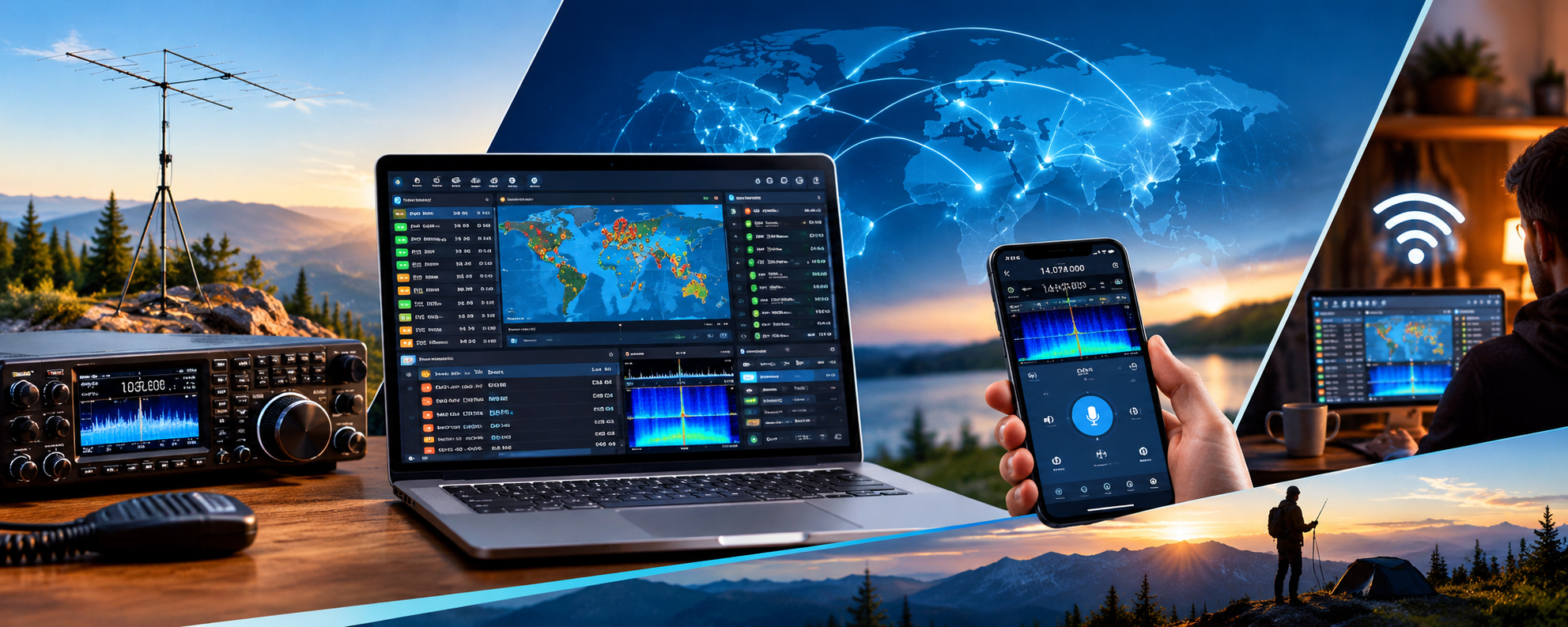
Sometimes, all it takes is a quick browse through the internet to discover something useful for our amateur radio hobby. That’s how I came across POTACAT while reading Amateur Radio Weekly. It caught my attention because it combines several ham radio tools in one application and, even more interestingly, offers the ability to operate your radio remotely over the internet.
POTA.APP Gets a New Look
2026-10-16
The Parks on the Air (POTA) platform, popular among amateur radio operators around the world, has introduced a new interface. The changes are designed to make the service easier to use for both activators operating from parks and hunters looking for their next contact.
Higher Means Farther
2026-09-24
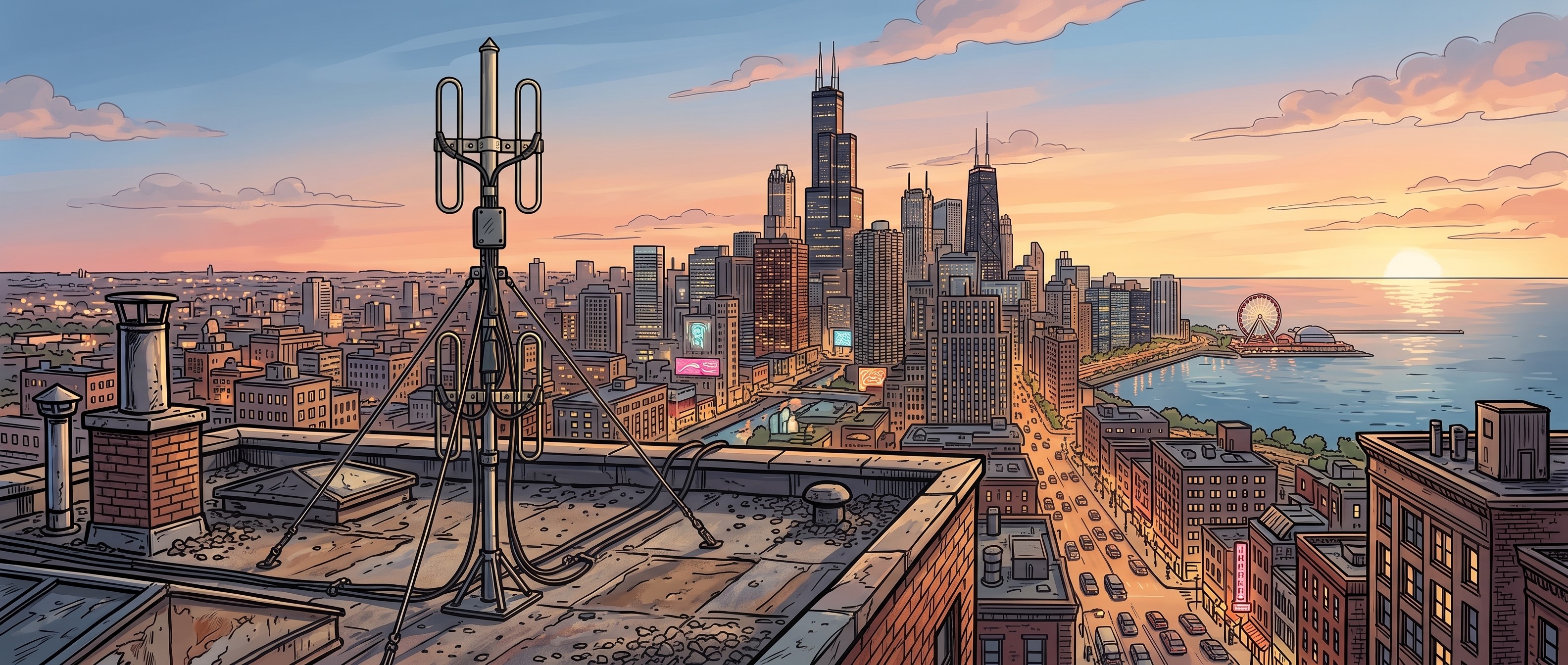
One of the Group 312 repeaters has a new home. This time, the installation has moved to the roof of a 20-story building in the Wicker Park area of Chicago. The new location is still undergoing testing, but we can already see a significant improvement in coverage. The additional height makes a big difference, especially in Chicago, where buildings and other obstacles can significantly limit repeater coverage.
Digital Essential Toolkit for POTA Activators and Hunters
2026-09-21
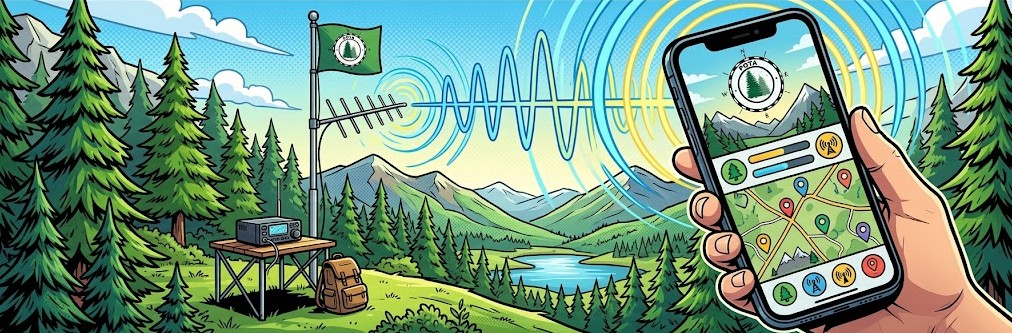
The Parks on the Air (POTA) program has gained tremendous popularity in the amateur radio community, combining the passion for making radio contacts with outdoor activity. The POTA Activity section in the Hamtrax digital toolkit was designed from the ground up to make operating as easy and efficient as possible, both for activators transmitting from parks and for hunters looking to make contacts with them.
Frequencies to Have “Just in Case”?
2026-09-18
A radio can be a great tool in an emergency. The problem, however, comes when we actually need it and the only channels programmed into our radio are the repeaters we use every day. That is why it is worth spending a few minutes and setting up a separate group of channels that may come in handy when something goes wrong. Of course, the idea is not to program everything that has ever appeared on one of the countless “emergency frequencies” lists found online. Many of those lists contain historical frequencies, outdated information, or descriptions that can be very misleading today. It is much better to have a dozen or so verified channels than a hundred random frequencies.